What Are the Warning Signs of Periodontal Disease?
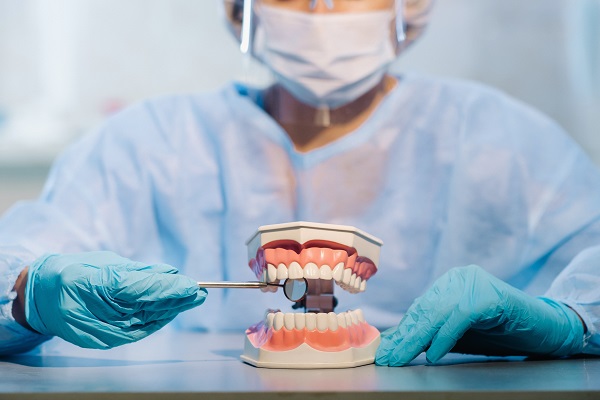
Are you wondering if you have periodontal disease, more commonly known as gum disease? It is essential for you to know the warning signs of this common dental issue. This way, you will have a better chance of addressing the issue without needing excessive dental treatment.
When gum disease is addressed in its beginning stages, it is much easier to treat. When gum disease is ignored, which is common because many people do not know its signs, more severe forms of dental treatment are necessary, e.g., deep cleaning.
Periodontal disease
There are four different stages of periodontal disease. The first stage is gingivitis, the second is slight periodontal disease, the third is moderate periodontal disease, and the fourth and last stage is advanced periodontal disease. Treating the first stage requires professional dental cleaning and improved at-home oral care. The second and third stages are treated using a more in-depth dental cleaning process known as scaling and planing. The fourth stage of periodontal disease is treated using surgical processes specifically made to clean deep bacteria-filled pockets.
Warning signs of periodontal disease
The following is a list of common warning signs of periodontal disease.
Gum swelling and inflammation
Swollen, inflamed, sensitive, and red gums indicate gum disease. These signs are specifically due to the buildup of bacteria that causes plaque and eventually tartar, which releases toxins in the mouth.
Bleeding gums
If the gums bleed when brushing, flossing, or eating, this is one of the most common warning signs of gum disease. While bleeding every once in a while may be expected, excessive or repetitive bleeding is an indicator of gum disease.
Bad breath
Too much bacteria buildup creates chronic bad breath, which is also combined with an overall unpleasant taste in the mouth.
Loose teeth
Loose teeth are a common sign of gum disease because the disease attacks the bones in the mouth that hold the teeth securely in place.
Frequently asked questions about periodontal disease
Let us take a look at commonly asked questions regarding periodontal disease.
What is periodontal disease?
Periodontal disease is a term used to refer to various inflammatory conditions of the gums. The most widespread form of periodontal disease is gingivitis, which affects the gums. If left unaddressed, gingivitis can progress to periodontitis, a more severe condition that can damage the bones and connective tissues that support teeth.
What are the symptoms of periodontal disease?
The most typical indication of gum disease is bleeding gums. Other symptoms may include red, swollen, or tender gums; gums that pull away from the teeth; bad breath; and loose teeth.
What causes periodontal disease?
The leading cause of periodontal disease is plaque, a sticky film of bacteria that constantly forms on the teeth. If plaque is not eliminated, it can harden into calculus (tartar). Tartar can only be taken off by a dental professional. Plaque and tartar irritate the gums, causing them to become inflamed. The inflammation can eventually lead to periodontitis.
How is periodontal disease diagnosed?
Periodontal disease is typically diagnosed during a dental exam. The dentist or dental hygienist will measure the depth of the spaces between the patient's gum tissue and their teeth (called “pockets”) to see if they have deepened over time. They may also use X-rays to look for signs of bone loss.
How is periodontal disease treated?
The treatment of periodontal disease depends on the severity of the condition. In its early stages, gingivitis can be reversed with good oral hygiene and regular professional cleanings. More advanced stages of periodontitis may require more extensive treatments, such as scaling and root planing (a deep cleaning), antibiotics, and surgery.
Can periodontal disease be prevented?
Yes, the best way to prevent periodontal disease is to practice good daily oral hygiene. This includes brushing the teeth twice daily, flossing daily, and regularly visiting the dentist for professional cleanings and checkups.
Need to be checked for periodontal disease?
If you think that you currently have periodontal disease, your next step is to make a consultation appointment with an experienced dentist for a thorough evaluation of your mouth. The dentist can let you know the current state of your mouth's health, including whether you do indeed have gum disease.
If you receive a gum disease diagnosis, you will be told which stage of the disease it is, as well as the treatment option that will be necessary to restore your oral health. Know that if you are in the beginning stages of gum disease, it will be much easier to treat. This is why we encourage you to make an appointment as soon as possible.
Request an appointment here: https://www.highlandsdentaldallas.com or call Highlands Family Dentistry at 2144915362 for an appointment in our Dallas office.
Check out what others are saying about our dental services on Yelp: Periodontics in Dallas, TX.
Related Posts
Cosmetic dental services help patients improve the look of their teeth and smile. Two common cosmetic dental services are dental bonding and dental veneers. Both services can address issues such as discoloration, chips, or gaps in teeth. However, there are differences based on the materials used, durability, and overall cost. It is important to understand…
Choosing to straighten teeth with clear aligners is a big decision, and knowing when to schedule a consultation with an Invisalign® dentist is essential. Invisalign offers a discreet and comfortable alternative to traditional braces, making it a popular choice for patients seeking orthodontic treatment. Understanding the right time to meet with a provider ensures the best…
Clear aligners have become a popular choice in cosmetic dental services because they can straighten teeth discreetly and comfortably. These modern teeth straightening devices effectively improve a smile without the look and feel of traditional braces. Understanding the role of clear aligners can help patients choose the right option for them.Clear aligners are custom-made, transparent…
Cosmetic dental services can help enhance the appearance of a smile affected by gaps or uneven teeth, with treatments designed to create a more balanced and attractive smile. A general dentist can offer different options to meet each patient’s needs and goals. Learning about these services can help individuals choose the right solution for their…